


Metallica's 1996 San Jose Parking Lot Show: A Legendary Moment in South Bay Music History

Updated: Feb 2
On June 4, 1996, San Jose transformed into a haven for rock enthusiasts as Metallica staged an impromptu performance in the parking lot of Tower Records, located across from Oakridge Mall. The announcement that morning sent ripples throughout the Bay Area, leading to an electrifying gathering of approximately 10,000 fans eager to see their favorite band in an unexpected setting. This event, celebrating the release of Metallica's sixth studio album, "Load," would not only become a highlight in the band's history but also cement itself as a cherished memory for those lucky enough to attend. More than just a concert, the performance encapsulated the essence of Bay Area culture in the 1990s, marked by energy, spontaneity, and authenticity.
The build-up to a legendary show
Metallica’s surprise announcement
The excitement began early in the day when local radio stations broke the news of the surprise performance. As fans scrambled to make their way to Oakridge, the energy was palpable. Metallica had a unique idea, the plan was to do three flatbed shows as part of their album launch: one in San Jose, another in San Francisco, and a final stop in Sacramento. Unfortunately, circumstances only permitted two of these shows, as the San Francisco event was canceled at the last minute, heightening the anticipation for the San Jose crowd.

Tower Records: the chosen venue
Tower Records was chosen for its accessibility and cultural significance within the community. Its location not only allowed fans to enjoy the live performance but also provided the opportunity to walk inside, purchase the new album "Load," and perhaps grab some vinyl records. This symbiosis of live music and retail shopping underscored the unique atmosphere that the Bay Area was known for, a place where music and community culture thrived in tandem.
The concert experience
Metallica live on a flatbed truck
As the sun beat down and anticipation grew, Metallica took to the stage set up on a flatbed truck, kicking off a high-energy performance that included some of their most iconic tracks. My personal favorite from that day was Creeping Death. The vibe was electric, and the experience felt raw and unfiltered, a stark contrast to polished, corporate concert events often seen in larger venues. Tom, a high school senior at the time who attended the show, shared in a comment on my Instagram post, “I remember cutting school to go. We were all worried about getting in trouble, but it was worth it. It felt like a once-in-a-lifetime thing.”

Traffic, crowds, and chaos
The show turned out to be more than just a musical event; it became a sizable social gathering that disrupted the neighborhood. Traffic was backed up for hours on Highway 87, with locals struggling to navigate the mayhem. Despite this chaotic energy, fans reveled in the moment, basking in the excitement of being part of something monumental. The spontaneous nature of the event encapsulated the Bay Area spirit, an ethos of living in the moment and embracing the unexpected.
The aftermath: legal troubles and cultural impact
San Jose’s response
In an ironic twist, what was celebrated in public turned problematic shortly after. A week following the concert, San Jose city attorney Joan Gallo held a press conference announcing that charges were filed against Bill Graham Presents, Elektra Entertainment, and Tower Records. Claims of disturbing the peace, failure to obtain permits, and inadequate planning for the temporary street closures and amplified sound were highlighted in the city's legal actions. The city also sent a bill to Tower Records, amounting to $7,000 for various emergency services.

Gallo stated, “I think the destruction that was caused deliberately and purposefully to get publicity and take advantage of this community needs to be dealt with in a criminal form.” The local police were not pleased either, as the traffic jam created by tens of thousands of fans breathing life into a mundane Tuesday drew ire from within the city's governing bodies. Yet for the attendees, the day's experience far outweighed any legal ramifications.
The lasting legacy of Metallica’s San Jose parking lot show
Reflecting upon that day decades later, the concert remains a lasting part of both Metallica's lore and the rich tapestry of Bay Area music history. It's become woven into the collective nostalgia of a generation, with people recalling where they were, who they were with, and the context of their lives during that summer day. This phenomenon speaks not only to the power of music but also to the connection people have with moments of cultural significance.

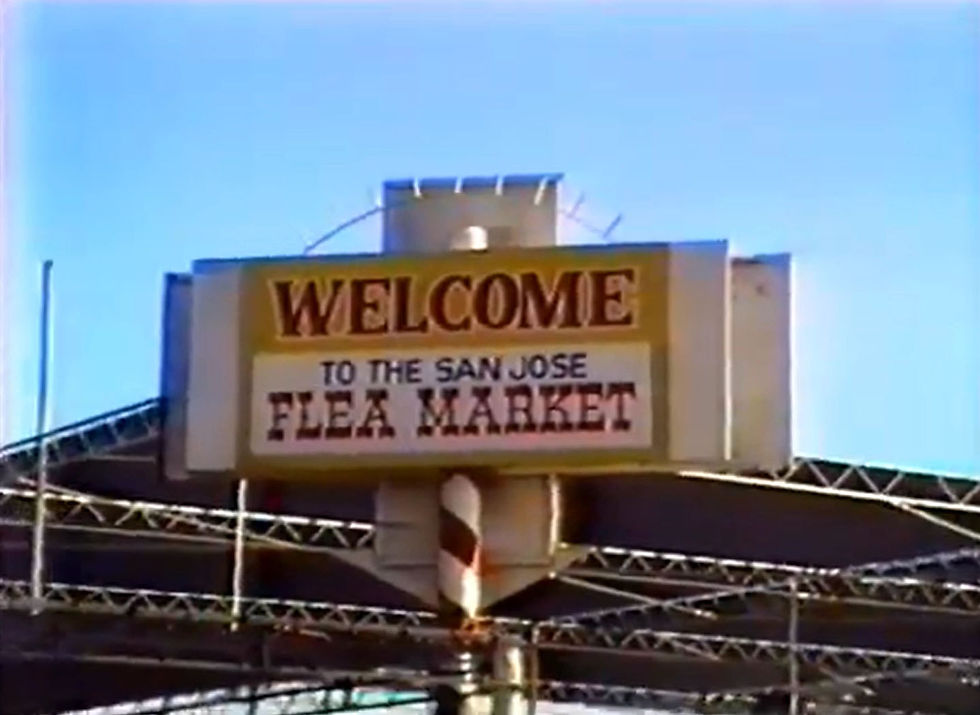
That feeling echoed other shared spaces from the era, like the San Jose Flea Market in the early 1990s, where culture, music, and connection unfolded without planning or permission.
For many in the local community, Metallica's surprise show served as a reminder of the authenticity and excitement that characterized the music culture of the 90s. Individuals who reminisced about the event often spoke of it with reverence, saying things like “the best day ever” and referring to it as a “core memory.” This sentiment illustrates a longing for spontaneous moments that challenge the status quo, something that is often missing from today’s highly commercialized concerts where corporate priorities overshadow the artist’s raw expression.
The community’s emotional response
A shared identity
Based on the comments shared on my Instagram page, the emotional response surrounding Metallica's performance is a fascinating reflection on community and identity. Many people connected to the event through anecdotes about their high schools, social circles, and local radio stations, forming a sense of belonging centered around this unforgettable moment. The repeated references to local landmarks such as Tower Records, familiar high schools, and cultural touchstones like KSJO and KOME echoed a collective pride in being part of the fabric of San Jose's cultural identity.

Nostalgia and regret
However, an undercurrent of regret also permeated many accounts, indicated in comments like, “Still pissed I chose work over fun” or “Too bad I wasn’t a fan back then.” This mix of joy and longing reflects not only personal memories but also a broader understanding that such unfiltered communal experiences are rare in the digital age.

Celebrating authenticity
The concert’s chaotic yet authentic nature captures a yearning for genuine experiences. Fans cherish the unplanned, spontaneous feeling of being in a crowd where every person shares a common goal: to experience metal in its rawest form, unmediated by marketing gimmicks.
Conclusion
The 1996 Tower Records show is much more than a mere footnote in the history of metal; it represents a cultural moment that encapsulates the spontaneity and excitement of live performances. This event is fondly remembered in the hearts of fans, as they recount the thrill of their unexpected gathering as they shared laughter, community, and music, the very essence of being young in the South Bay.

The nostalgia surrounding the show highlights an important aspect of Bay Area culture, a local identity that thrives on authenticity and connection. As society continues to evolve, the longing for those immediate, tactile experiences serves as a reminder of the cultural importance of spaces like Tower Records and moments like that fateful June afternoon, a brief spark in a time when music truly felt communal.

View the rest of the collection
See the remaining images from this set.
Photo credits: Still frames taken from stock footage via MetConcerts100.


Comments