


San Francisco Centre: The Closure of a Cultural Landmark and the Debate on Urban Decline

Updated: Feb 2
That’s it, it’s done. San Francisco Centre is gone for good.
The recent closure of San Francisco Centre has marked the end of an era for one of the city’s most iconic shopping destinations. Once a lively spot for both locals and tourists, the mall’s demise has sparked intense discussions about urban decline, the role of online shopping, and political leadership in San Francisco. As various factions weave their narratives to explain what went wrong, the landscape of discourse surrounding this issue reflects the complex realities of San Francisco itself, a city often defined by its contradictions.
The closure: What happened to the San Francisco Centre?
The San Francisco Centre has officially closed for good after years of declining foot traffic and the ongoing impact of societal changes. While a steady rise in online shopping and the COVID-19 pandemic certainly accelerated sales drops for physical retail establishments, many argue that deeper systemic issues have contributed to the mall's downfall more than anything.. Critics pinpoint everything from soaring rents and horrible city leadership to evolving consumer habits, creating a multifaceted picture of decline that raises questions about urban life in the 21st century.

In a city known for captivating progressivism, affluence, and innovation, the closing of such a prominent mall signals growing discontent about economic accessibility and urban vibrancy. Yet, this closure carries broader implications about the future of retail spaces and how cities like San Francisco are grappling with the ever-evolving landscape of commerce.
A city divided: Multiple narratives
The closure of San Francisco Centre has sparked a flurry of opinions, where people are all seizing on both the closure itself and the broader state of the city. I spent the past few days on social media taking a close look at what different groups were saying about all of it, drawing on patterns I’ve been noticing over the past few years. Each one views San Francisco through a different lens, presenting compelling yet incomplete narratives about the city's decline. I’ve distilled it down to four main factions and here they are:
Socialists: An oligarchy with a façade
Socialists claim that San Francisco exemplifies the consequences of unchecked capitalism. They argue that the city's residents, particularly those reliant on a living wage, have been pushed aside as corporate interests take precedence. High rents and the cost of living create situations where affordable housing is minimal, and the everyday life of working people becomes overshadowed by a tech oligarchy more interested in profits than community investment. Whether decrying the mall's closure or the city's current landscape, their narrative holds that the lack of foresight and empathy in leadership has exacerbated suffering among the most vulnerable residents.
Democrats: Progress amid the turmoil
On the opposite spectrum, Democrats lean into the narrative of a progressive city diligently grappling with challenges. Advocates reference statistics showing improvement in areas like housing, public safety, and public art. Their perspective emphasizes policies aimed at improving everyday life in San Francisco, suggesting that while the closure of the mall is a setback, the city is ultimately moving toward greater inclusivity and sustainability. They argue that what may appear to be a failure is instead part of San Francisco’s ongoing evolution, even if it sometimes feels chaotic.
Leftists: Performative progressivism
Leftist critiques suggest that mainstream progressive movements have failed to live up to their promises. They argue that the city’s leadership is too focused on slogans and optics rather than addressing real issues affecting the working class. In their view, while the mall's closure signifies loss, it’s also a symptom of hollow progress where many cannot afford to shop locally or enjoy the spaces created for public use. They call on communities to reevaluate how they define progress to create more tangible change.
Conservatives: Lawlessness and decay
From conservative viewpoints, the narratives center around perceptions of failed policies, lawlessness, and chaos in urban spaces. Critics paint a bleak picture of San Francisco as a cautionary tale where governance, influenced by extreme liberalism, has led to a deterioration of public safety and an exodus of businesses and residents. They assert that with rampant crime and homelessness, the very issues that compounded the mall's decline and eventual closure are symptomatic of failed policies driven by leftist ideologies. Their view posits that restoring order, safety, and accountability is essential for any revitalization to take shape.
Themes emerging from the debate
So, who is right in this narrative battleground? Each faction has articulated aspects of the truth, yet no single perspective captures the entirety of the situation. The complex tapestry of urban life in San Francisco, a city known for its vibrant cultural dynamics, makes it resistant to straightforward conclusions. For many residents, the once flourishing streets of downtown, now dotted with closures and scant foot traffic, reflect a drastic shift in the city’s character.
What remains consistent in this discussion is a shared unease about a changing city. Many locals recall a time when downtown flourished, bustling with activity, diverse businesses, and community cohesion. The closure of places like San Francisco Centre has brought to light real questions about city policy, community spaces, the local economy, and the priorities of those in leadership.
The role of online shopping and corporate media narratives
As discussions often veer towards online shopping being the primary culprit for the struggles of brick-and-mortar retail, the corporate media plays an essential role in framing the narrative. It's easy for journalism to attribute the decline of beloved places like San Francisco Centre to prevalent online shopping trends without delving into the broader complexities of urban decay. This short-hand explanation can overlook the implications of failed policies, crime rates during the pandemic, and an ever-changing social fabric.

If given airtime, discourse could challenge the narratives that primarily blame online shopping while neglecting the systemic issues underpinning such closures. For instance, the void left by a shuttered mall not only reflects changing shopping habits but also indicates larger trends in socio-economic disparity, gentrification, and the shifting demographic landscape of the region.
The media's tendency to overlook these interlocking causative factors raises an essential question: Why do discussions about retail decline avoid addressing the intersection of crime, policy failures, and the social implications of urban change?
Conclusion: Towards a more holistic narrative
The closure of San Francisco Centre has brought to the forefront a uniquely layered conversation about the state of urban America. As debates rage on, there’s a steadfast truth: urban challenges don't adhere to a single political narrative. The vibrant tapestry of opinions in San Francisco shows that people are passionate and involved, yet emotionally invested in the city’s past, present, and potential future.

Ultimately, as the city looks toward renewal in the wake of such closures, a more integrated and nuanced view of urban life emerges. Understanding the fate of places like San Francisco Centre offers key insights into the broader dynamics shaping the city's socio-economic landscape. By addressing a multitude of perspectives, San Francisco can begin to foster a more robust dialogue that not only acknowledges grievances but also seeks collaborative solutions to secure a brighter urban future for all its inhabitants.
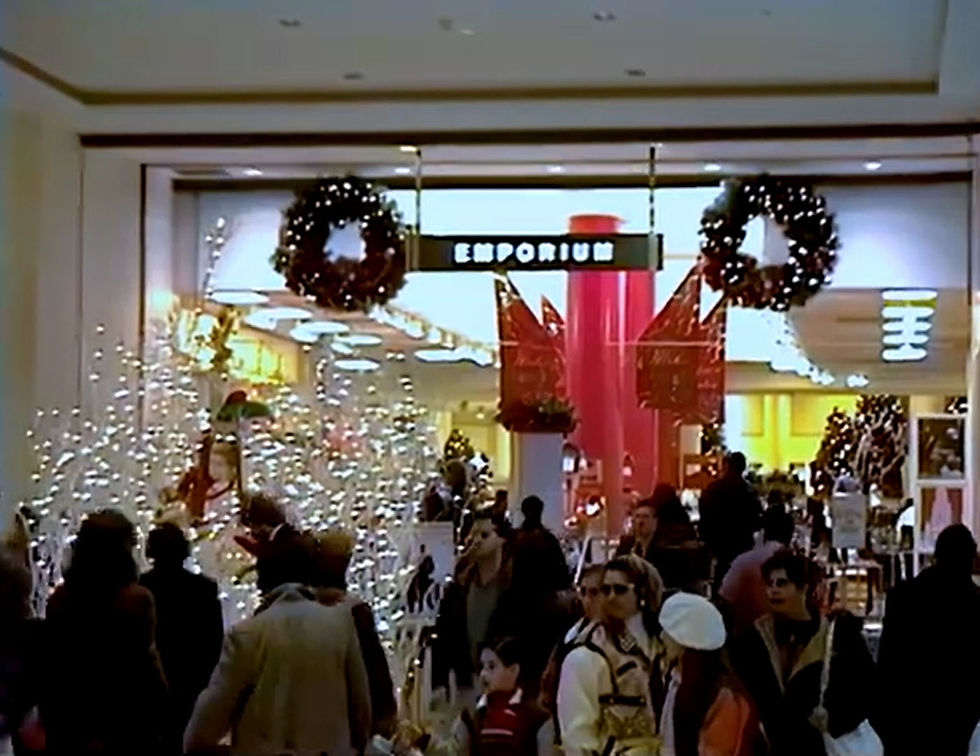
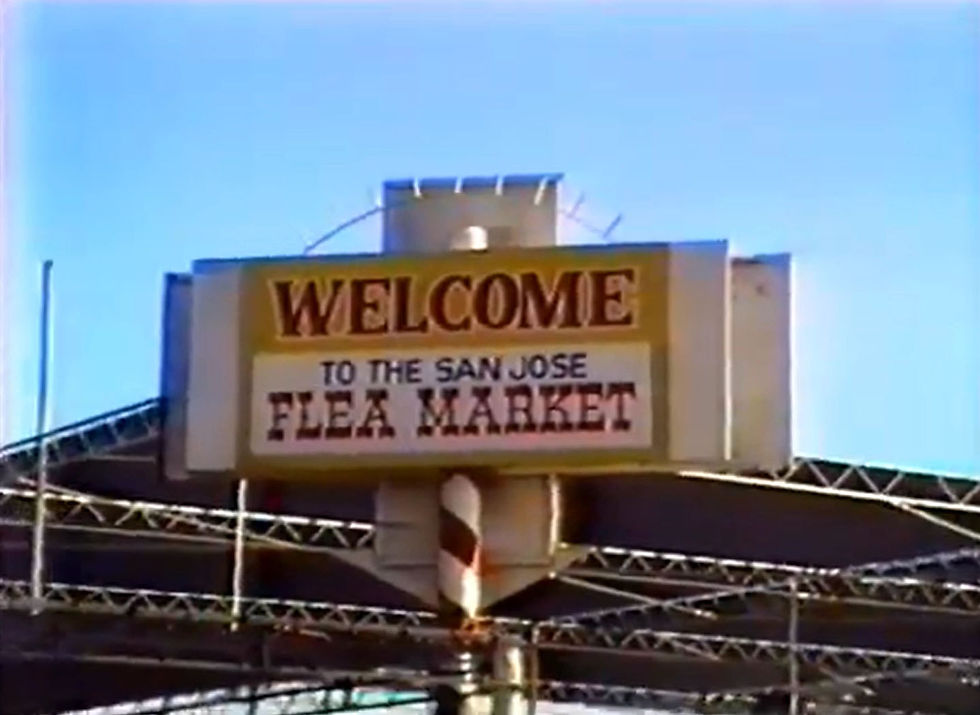
San Francisco Centre in the 1990s: Photo archive
The images below document San Francisco Centre in the 1990s, when downtown retail was busy, social, and still felt like a shared civic space.


Together, these images offer visual context for how much downtown San Francisco, and the role of places like San Francisco Centre, has changed.


An essential aspect missing from the piece is the point of view of the mall stores and mall owner. Ask they themselves why shops leave., why the decision closing the mall was made. There then have answer.